
Oxidative Stress: In Defense of Radiance
If inflammation is the fire, oxidative stress is the fuel.
It is not a term most women use in everyday conversation, yet it sits quietly behind many of the changes my clients begin to notice in their forties and beyond. Skin that looks dull even when it is moisturized. Fine lines that seem more etched. Pigmentation that lingers longer than it used to. A subtle loss of elasticity. A sense that the skin looks tired rather than simply dry.
Often, the instinct is to exfoliate more or switch moisturizers. Sometimes that helps temporarily. But when skin appears fatigued rather than dehydrated, oxidative stress is usually part of the picture.
Oxidative stress is not simply about aging. It is about imbalance between daily damage and the skin’s ability to defend itself.
What Oxidative Stress Actually Is
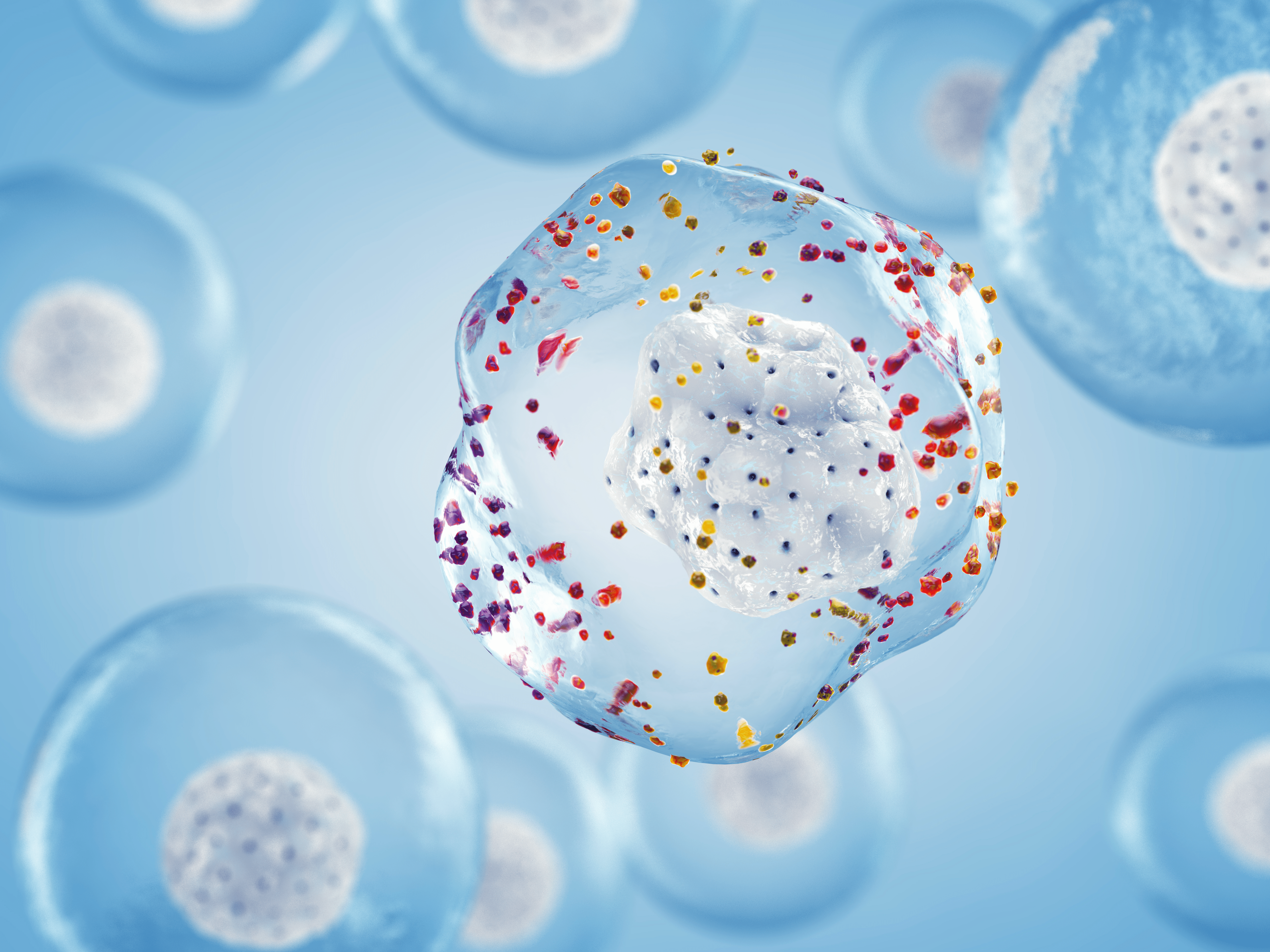
Every day, your skin is exposed to unstable molecules called free radicals. They are generated by ultraviolet radiation, pollution, inflammation, stress, alcohol metabolism, blue light exposure, and even normal cellular processes. In small amounts, the body can neutralize them. When exposure outweighs defense, oxidative stress develops.¹
Free radicals damage lipids, proteins, and collagen. In the skin, this affects collagen fibers, elastin structure, and the lipids that maintain barrier cohesion.² Over time, cumulative oxidative damage accelerates visible aging. This process is gradual and layered. It builds quietly over years, which is why so many women feel their skin changed “suddenly,” when in reality the shift has been unfolding slowly.
How Oxidative Stress Shows Up in the Skin
Oxidative stress does not create one isolated symptom. It influences multiple structural systems at once.
Collagen Breakdown
Free radicals activate enzymes that degrade collagen.³ When collagen breaks down faster than it is rebuilt, firmness declines and lines deepen. Even well hydrated skin can appear less resilient if collagen integrity is compromised.
Barrier Weakening
The lipids that hold the outer layer of the skin together are especially vulnerable to oxidation. When these lipids are damaged, water escapes more easily and irritants penetrate more readily.⁴ This makes the skin more reactive and less stable. Oxidative stress and barrier disruption frequently reinforce one another.
Increased Inflammatory Signaling
Oxidative stress and inflammation feed each other. Inflammation generates additional free radicals, and free radicals amplify inflammatory pathways.² Over time, this low grade inflammatory state accelerates visible aging.
Pigment Changes
Reactive oxygen species influence melanocyte activity, contributing to persistent discoloration and uneven tone.⁵
Where It Comes From
Oxidative stress rarely comes from a single source. It reflects cumulative exposure over time, including:
• Ultraviolet radiation
• Pollution and environmental toxins
• Blue light exposure
• Chronic psychological stress
• Persistent inflammation
• Sleep disruption
• Smoking
• Regular alcohol consumption
• Hormonal shifts
Ultraviolet radiation remains one of the strongest generators of free radicals and a primary driver of collagen breakdown.³ Pollution adds another layer by overwhelming antioxidant defenses.
Blue light, including high energy visible light from the sun and digital devices, has been shown to induce oxidative stress and stimulate pigment changes.¹⁵ While device exposure is lower than sunlight, cumulative exposure contributes to overall oxidative burden, particularly in skin prone to hyperpigmentation.
Psychological stress also plays a measurable role. Elevated cortisol increases inflammatory signaling and impairs barrier function, both of which increase free radical production.¹⁶ Chronic stress does not only affect how we feel. It alters skin physiology.
Alcohol contributes as well. During metabolism, alcohol generates reactive oxygen species and depletes antioxidant reserves such as glutathione.¹⁴ Over time, this can accelerate collagen breakdown and increase inflammation. Occasional exposure is not the issue. Repeated exposure without adequate antioxidant support adds to cumulative stress.
Starting during perimenopause, intrinsic antioxidant capacity declines along with estrogen, making the skin more vulnerable to oxidative injury.⁶ What once felt resilient may begin to look more easily stressed.
How to Recognize Oxidative Overload
My clients often describe oxidative stress without realizing that is what they are seeing. Common signs include:
• Dull or gray tone
• Fine lines that appear deeper despite hydration
• Loss of elasticity
• Uneven pigmentation
• Slower recovery after treatments
• Skin that looks fatigued
These changes are often blamed entirely on age. In reality, cumulative oxidative burden is frequently driving them.
What To Do About It
The answer is not more stimulation. It is stronger protection.
Use a Daily Antioxidant Serum
A daily antioxidant serum is one of the most important long term investments you can make in your skin. Vitamin C is widely known and well studied for supporting collagen and reducing photodamage.⁷ However, it is not the only effective antioxidant, and it is not always the most complete strategy on its own.
Oxidative stress involves multiple reactive molecules. A broader antioxidant profile often provides more comprehensive protection.
Look for antioxidants such as:
• Astaxanthin – A powerful carotenoid with exceptionally strong free radical scavenging capacity. Research suggests it may be significantly more potent than vitamin C and vitamin E in certain oxidative models.⁸ It integrates into lipid membranes, helping protect structural lipids and support collagen integrity.
• Coenzyme Q10 (Ubiquinone) – A naturally occurring antioxidant involved in cellular energy production that declines with age. Topical CoQ10 has been shown to reduce oxidative stress markers in the skin and support cellular resilience.⁹
• Sea Buckthorn – Rich in carotenoids, tocopherols, flavonoids, and essential fatty acids, sea buckthorn supports both antioxidant defense and lipid integrity simultaneously.¹⁰
When antioxidants are combined thoughtfully, they work synergistically. Different antioxidants neutralize different types of free radicals and help regenerate one another in a redox cycle.¹¹ This layered approach can be more complete than relying on vitamin C alone.
Protect Daily
Daily sunscreen remains essential. Ultraviolet radiation is one of the strongest generators of free radicals and a major driver of collagen breakdown.³
Support the Barrier
Because barrier lipids are vulnerable to oxidation, maintaining lipid integrity reduces susceptibility to further damage. Antioxidant rich oils and lipid supportive formulations reinforce resilience.
Reduce Ongoing Inflammation
Chronic inflammation increases oxidative stress. Supporting the barrier, avoiding unnecessary over stimulation, managing stress, and moderating alcohol intake all reduce free radical production at the source.
A Quick Note on Eczema
Oxidative stress also plays a role in eczema. Eczema is not just dry skin. It is skin with a weakened barrier and an overactive immune response. When oxidative stress is high, it further weakens fragile barrier lipids and increases inflammatory signaling, which can make flares more intense and slower to calm.
This does not mean oxidative stress causes eczema on its own. However, research shows higher oxidative stress markers and reduced antioxidant activity in individuals with atopic dermatitis.¹² ¹³ Supporting the barrier first is essential, and once the skin is calm, gentle antioxidant protection can help improve resilience over time.
Long Term Perspective
Radiance created by exfoliation is temporary. Radiance supported by antioxidant protection is structural.
When oxidative burden decreases, collagen breakdown slows, pigmentation stabilizes, and the barrier becomes more resilient. The skin appears brighter not because it has been pushed to renew, but because it is no longer under constant molecular pressure.
Oxidative stress may be invisible, but its effects are not. Reducing it consistently is one of the most powerful ways to preserve long term skin vitality.
References
Sies H. Oxidative stress: a concept in redox biology and medicine. Redox Biol. 2015.
Briganti S, Picardo M. Antioxidant activity and skin diseases. J Eur Acad Dermatol Venereol. 2003.
Fisher GJ et al. Mechanisms of photoaging. Arch Dermatol. 2002.
Thiele JJ et al. Lipid peroxidation in the stratum corneum. J Invest Dermatol. 2001.
Briganti S et al. Oxidative stress and pigmentation. Pigment Cell Res. 2003.
Verdier-Sévrain S et al. Biology of estrogens in skin aging. Exp Dermatol. 2006.
Pinnell SR et al. Topical L-ascorbic acid. Dermatol Surg. 2001.
Ambati RR et al. Astaxanthin: biological activities and applications. Mar Drugs. 2014.
Hoppe U et al. Coenzyme Q10 in the skin. Biofactors. 1999.
Zeb A. Chemical constituents of sea buckthorn. J Food Sci Technol. 2004.
Packer L et al. Antioxidant interactions and redox cycling. Free Radic Biol Med. 1997.
Ji H et al. Oxidative stress in atopic dermatitis. Oxid Med Cell Longev. 2016.
Omata N et al. Decreased antioxidant defense in atopic dermatitis. Arch Dermatol Res. 2001.
Das SK, Vasudevan DM. Alcohol-induced oxidative stress. Life Sci. 2007.
Mahmoud BH et al. Visible light and melanogenesis. J Invest Dermatol. 2010.
Arck PC et al. Stress and the skin. Exp Dermatol. 2006.