


The Nervous System and the Skin - Why Stress Shows Up on Your Face
If inflammation is the fire and oxidative stress is the fuel, the nervous system is often the match.
We always talk about inflammation, barrier function, and oxidative stress as though they operate independently, but over the years I have come to understand that the nervous system is frequently the silent driver behind them all. The skin does not simply respond to ingredients. It responds to hormonal signaling, inflammatory load, sleep quality, and autonomic tone.
When Performance Masks Dysregulation
There was a period in my life when I believed doing it all and handling everything equaled strength. I was balancing a demanding executive role, frequent business travel, raising children, navigating divorce, and managing constant responsibility. From the outside, I was highly capable. Internally, my system was in a near constant state of activation.
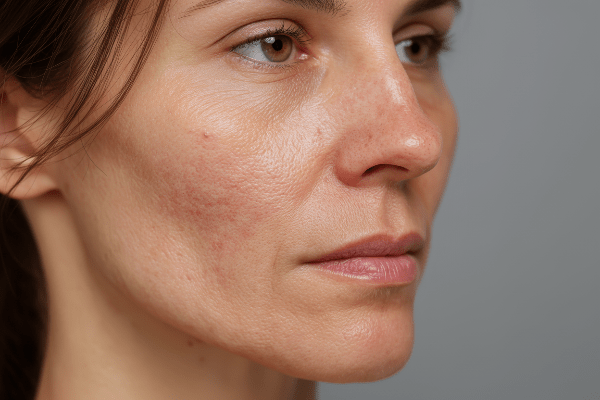
Even though I was a professional skincare expert using the best products available, deeply educated in ingredients and formulation, my own skin was behaving badly. It was more reactive, thinner, less luminous, and slower to recover. The tools I trusted were no longer enough.
Eventually, my body forced me to pay attention in a way I could no longer ignore. A cardiac event made it clear that what I had normalized as productivity and resilience was actually chronic dysregulation. That realization shifted everything.
It changed my work. It changed how I practice. It changed how I care for my own skin. I realized that long-term skin vitality is inseparable from nervous system regulation. The skin responds to the state of the internal environment, not just the products on its surface.
The Biological Connection
The skin and the brain originate from the same embryologic layer, the ectoderm.¹ That connection remains throughout life. The skin contains nerve endings, immune cells, and stress receptors that respond directly to emotional and environmental stimuli.
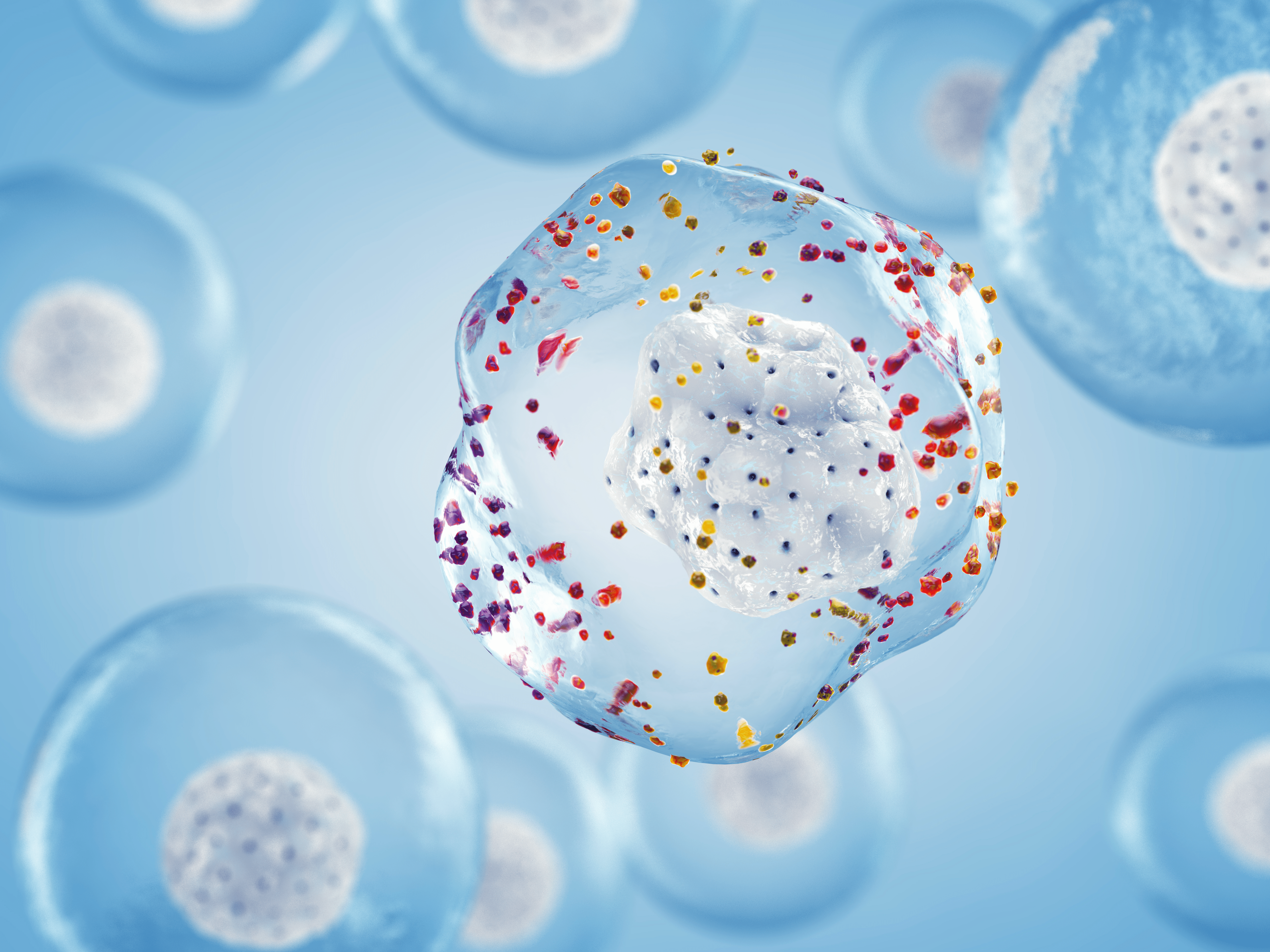
When the body perceives stress, the hypothalamic-pituitary-adrenal axis is activated, increasing cortisol and other stress mediators.² These signals influence lipid production, inflammatory signaling, wound healing, immune balance, and mitochondrial efficiency. Stress is not abstract. It is physiological, and the skin reflects it visibly.
How Chronic Stress Alters the Skin
When sympathetic nervous system activation becomes chronic rather than occasional, measurable changes occur across multiple systems.
Barrier Impairment
Elevated cortisol reduces lipid synthesis in the stratum corneum and delays barrier recovery.³ As lipid production slows, transepidermal water loss increases and the skin becomes more reactive. Ingredients that were once tolerated easily may begin to sting or irritate.
Increased Inflammation
Stress elevates inflammatory cytokines.⁴ Inflammation worsens rosacea, eczema, acne, and pigment instability. Chronic inflammatory signaling accelerates collagen breakdown and contributes to premature aging.
Slower Repair
Stress impairs wound healing and prolongs recovery after exfoliation or aesthetic treatments.³ Skin that once bounced back quickly may remain red or sensitized longer.
Increased Sebum and Breakouts
In some individuals, cortisol stimulates sebaceous activity, contributing to breakouts during emotionally intense periods. Stress amplifies whatever vulnerability already exists.
Perimenopause-Menopause and Stress Sensitivity
During perimenopause, estrogen declines. Estrogen supports collagen production, barrier lipid synthesis, and antioxidant capacity. As hormonal support fluctuates, stress tolerance often declines as well. The nervous system becomes more reactive, and the skin becomes more fragile. Many women describe their skin as having changed “overnight” in their forties. In reality, cumulative stress meets hormonal transition, and resilience narrows.
My Reset Sequence
I began practicing ways to manage my stress after my heart disease diagnosis. At the time, my focus was not my skin. It was my health. I understood that something deeper had to change, even though I had not felt overwhelmed in the way people typically describe stress.
The truth is, I did not feel stressed. I felt busy, capable, strong. I was moving quickly, managing responsibilities, solving problems. From the inside, it felt like momentum. My body, however, told a different story.
I began exploring simple, consistent practices that supported my nervous system. My intention was cardiovascular health, emotional steadiness, and long-term resilience. I had no idea at that time what an impact these changes would have on my skin, or eventually, on my clients’ skin.
As my mind softened, my body softened, and my skin softened. As my sleep improved, my luminosity returned. As my breath slowed, my reactivity decreased. Regulation, not stimulation, became the turning point.
Over time, I built what I now call My Reset Sequence. These practices were not indulgent extras. They were biological support for a system that had been operating in constant activation. The goal was not perfection. It was restoration.
Evening Bathing
Warm water immersion reduces sympathetic nervous system activity and increases parasympathetic tone.⁶ Intentional evening baths, without multitasking, allowed my body to downshift and improved sleep quality.⁷
Yoga
Gentle, consistent yoga helped release the tension I had been carrying in my shoulders, hips, and breath. Slow, mindful movement regulates the autonomic nervous system and improves heart rate variability, a marker of resilience.¹⁵ I began to notice that as my body lengthened and softened, my facial tension softened too.
Meditation and Breathwork
Meditation was not just about clearing my mind. It was about learning to slow my nervous system deliberately. Even ten minutes of focused breathing reduces sympathetic activation and lowers inflammatory signaling.¹⁶ As my breath became steadier, my skin became steadier.
Intentional Cleansing
Cleansing became deliberate rather than rushed. Slow movements, deep nasal breathing, and gentle, rhythmic touch support vagal tone and reduce stress signaling. Skin care became a cue for calm and my indispencible evening ritual.
Facial Massage and Gua Sha
Manual stimulation increases circulation and supports lymphatic flow while reducing muscular tension held in the jaw and brow. Massage supports parasympathetic activation.⁹ Over time, my facial expression softened and my skin appeared less strained.
Dry Brushing
Gentle body brushing stimulates lymphatic movement and increases somatic awareness, reconnecting body and mind.
LED Therapy
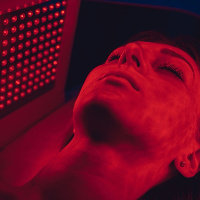
Red light therapy supports mitochondrial function and reduces inflammation.¹⁰ Used consistently, it supports recovery rather than stimulation.
PEMF Therapy
Pulsed electromagnetic field therapy has been studied for circulation support and stress reduction.¹¹ Regular use improved relaxation and recovery.
Morning Sunlight
Early daylight exposure regulates circadian rhythm and cortisol patterns.¹² Even brief morning light improved sleep depth and energy regulation.
Blue Light Boundaries
Reducing evening screen exposure supports melatonin production and autonomic balance.¹³
Restorative Sleep
Sleep is when collagen production, antioxidant repair, and cellular regeneration peak. Chronic sleep disruption increases inflammatory signaling and oxidative stress.¹⁴ Protecting sleep became foundational.
Why Regulation Restores Radiance – This is key!
Radiance is not just about exfoliation or stimulation. It is a reflection of efficient cellular communication, balanced inflammatory signaling, intact barrier lipids, and healthy mitochondrial energy production. When the nervous system remains in sympathetic dominance, the body prioritizes survival over repair. Blood flow shifts, collagen synthesis slows, lipid production decreases, and inflammatory mediators remain elevated. The skin looks tight, reactive, dull, or fatigued.
When regulation improves and parasympathetic tone increases, repair pathways activate, lipid production stabilizes, inflammation quiets, and microcirculation improves. The skin does not glow because it has been forced to turn over faster. It glows because internal signaling is balanced. The most profound change in my skin did not come from a stronger product. It came from consistent regulation.
A Closing Perspective
Stress will always exist. Responsibility will always exist. It is not weakness to lead, build, support, and show up fully. The issue is not stress itself. The issue is imbalance.
Many women move through life highly capable and deeply committed. We handle what is in front of us and rarely question the cost. We normalize constant activation and call it strength.
The body does not experience it that way.
The face and the body are not separate. The skin shares signaling pathways with the nervous system, the immune system, and the endocrine system. When activation becomes constant, the skin reflects it. When regulation improves, the skin reflects that shift as well. Radiance returns when internal signaling is balanced.
Down regulation is not automatic. It is trained. Just as we build muscle through repetition, we build resilience through consistent recovery. Breathwork, movement, stillness, sleep, intentional touch — these practices expand capacity. Activation requires restoration.
The face tells the story of the body. When we balance intensity with recovery, the skin softens.
Take care of yourself like someone you deeply love.
<3, m